non-laser stretch mark removal options
Many people exploring cosmetic treatments often ask, “Are there non-laser stretch mark removal options?” While laser therapies are commonly associated with Stretch Mark Removal, there are several effective alternatives for those who prefer non-laser methods. These treatments can improve the appearance of stretch marks, stimulate collagen production, and enhance skin texture without the need for laser technology.
One popular non-laser option is microneedling, which involves using fine needles to create tiny punctures in the skin. This controlled micro-injury stimulates the skin’s natural healing process, promoting collagen and elastin production. Over time, microneedling can help reduce the depth and visibility of stretch marks. Many dermatologists also combine microneedling with topical serums or platelet-rich plasma (PRP) to enhance results, making it an effective choice for Stretch Mark Removal without using lasers.
Chemical peels are another non-laser option for improving the appearance of stretch marks. These treatments involve applying a solution to the skin that exfoliates the outer layer, encouraging new skin growth and smoothing out uneven textures. Depending on the strength and type of peel, patients may experience gradual improvement in the color and texture of stretch marks. Chemical peels are generally well-tolerated and can be customized based on individual skin types, making them a versatile option for Stretch Mark Removal.
Radiofrequency therapy is also widely used for non-laser Stretch Mark Removal. This treatment delivers controlled heat to the deeper layers of the skin, stimulating collagen and elastin production. The result is firmer, more resilient skin, and a reduction in the appearance of stretch marks. Radiofrequency treatments are non-invasive, require minimal downtime, and can be combined with other non-laser procedures for enhanced effectiveness.
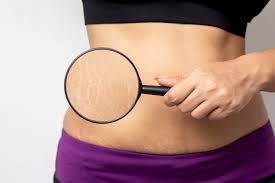
Are there non-laser stretch mark removal options?
Topical treatments remain an accessible non-laser option for those seeking gradual improvement. Creams, serums, and oils containing ingredients such as retinoids, hyaluronic acid, peptides, and vitamin C can support skin regeneration and improve elasticity. While topical solutions may not offer the dramatic results of clinical procedures, they can be used alongside professional treatments to maintain skin health and complement Stretch Mark Removal efforts.
Massage therapy and microdermabrasion are additional non-laser methods that can promote skin renewal and improve the appearance of stretch marks. Microdermabrasion involves exfoliating the top layer of skin to encourage new cell growth, while professional massage techniques can increase blood flow and enhance skin elasticity. Both methods are generally low-risk and can be integrated into a comprehensive Stretch Mark Removal plan.
It is important to note that the effectiveness of non-laser options may vary depending on the severity, age, and location of stretch marks. Consulting with a qualified dermatologist or aesthetic professional can help determine the most suitable approach for individual needs. They can assess your skin, recommend appropriate treatments, and create a customized plan that combines non-laser techniques for the best possible results.
In conclusion, the question “Are there non-laser stretch mark removal options?” can be answered with a variety of effective alternatives. Microneedling, chemical peels, radiofrequency therapy, topical treatments, microdermabrasion, and massage all offer ways to reduce the appearance of stretch marks without using lasers. By exploring these options and working with experienced professionals, individuals can achieve smoother, healthier-looking skin through tailored Stretch Mark Removal treatments.